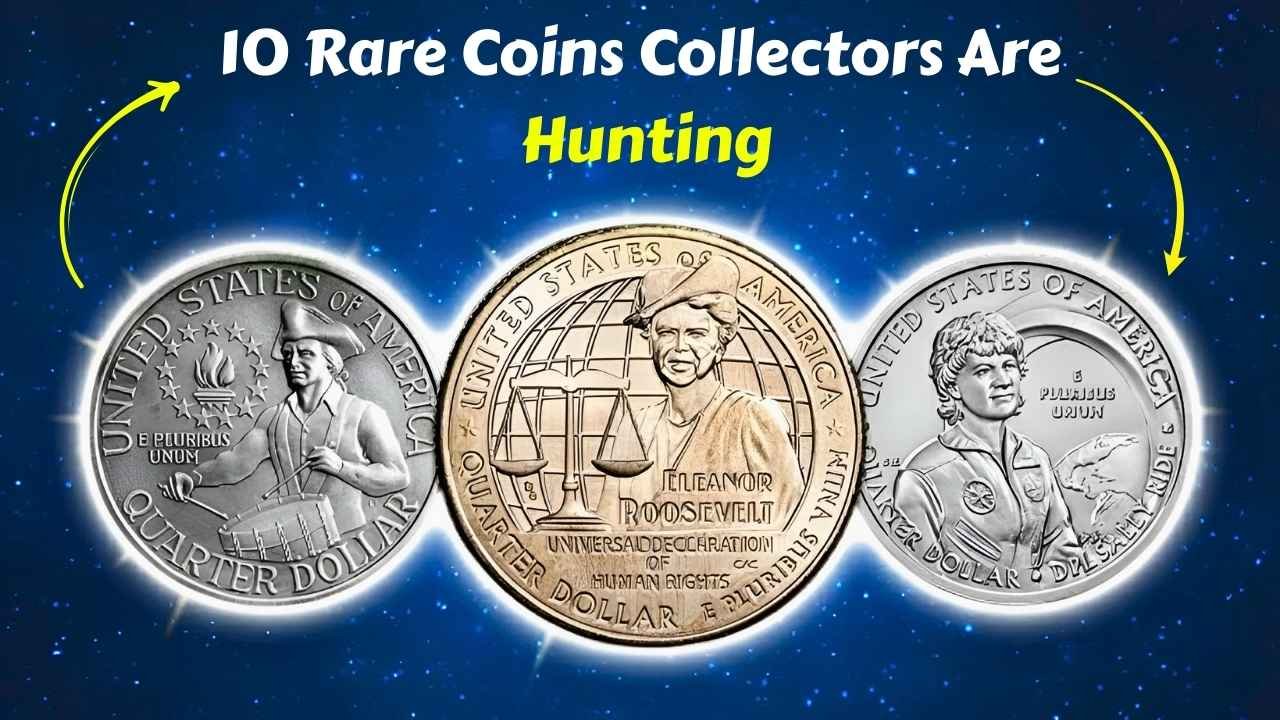
Coin collecting is a fascinating hobby that connects people to history, art, and even hidden wealth. While many coins are simply used for everyday transactions, some stand out because of their rarity, historical significance, or unique features. These coins attract collectors and investors who are willing to pay high prices to add them to their collections.
This guide explores the top 10 rare coins that collectors are hunting, explaining their history, unique characteristics, and potential value. Whether you are a seasoned numismatist or a beginner, understanding these coins provides insight into the world of valuable collectibles.
What Makes a Coin Rare
Before discussing specific coins, it is important to understand what makes a coin rare. The rarity and value of a coin are determined by several factors:
- Limited mintage
- Historical or cultural significance
- Unique minting errors
- Precious metal content
- Condition and grading
A coin can be made from ordinary metal but still be extremely valuable if it meets these criteria. Similarly, a coin with gold or silver content may not be worth much if it is common and heavily circulated.
1933 Saint-Gaudens Double Eagle
The 1933 Double Eagle is one of the most famous and valuable coins in American history. Although over 400,000 were minted, almost all were melted down when the U.S. left the gold standard. Only a few survived, and one legally owned example sold for millions at auction. Its combination of rarity, historical importance, and gold content makes it a centerpiece for collectors.
1794 Flowing Hair Silver Dollar
The 1794 Flowing Hair Silver Dollar is considered the first silver dollar struck by the United States. Its historical significance, intricate design, and limited surviving specimens make it highly prized. Experts believe some coins were presentation strikes, adding to their exceptional value.
1913 Liberty Head Nickel
Only five examples of the 1913 Liberty Head Nickel exist, and none were officially authorized. Their mysterious origin, extreme rarity, and individual characteristics have made them legendary among collectors. Each coin is tracked carefully, and they have sold for millions at auctions.
1804 Draped Bust Silver Dollar
Despite its date, the 1804 Draped Bust Silver Dollar was minted decades later as a diplomatic gift. Only a small number were produced, and each one has a documented history. Its rarity, elegance, and provenance make it one of the most prestigious coins in American numismatics.
1943 Copper Lincoln Penny
Most pennies in 1943 were made of steel due to wartime copper conservation. A few were mistakenly struck on copper blanks, creating one of the most famous U.S. error coins. Authentic examples are extremely rare and can fetch hundreds of thousands of dollars, demonstrating the value of minting mistakes.
1894-S Barber Dime
The 1894-S Barber Dime is shrouded in mystery. With only 24 minted and fewer than ten known today, it is one of the rarest coins in the United States. Its story, scarcity, and design make it a highly coveted item among collectors.
1787 Brasher Doubloon
The Brasher Doubloon, minted by goldsmith Ephraim Brasher before the official U.S. Mint was established, is one of the earliest American gold coins. Its unique punch mark and historical significance have made it an iconic piece of early American numismatics.
1909-S VDB Lincoln Cent
The 1909-S VDB Lincoln Cent was the first year the Lincoln penny was issued. The initials of designer Victor David Brenner caused controversy, resulting in their quick removal. Its low mintage and historical context make it highly desirable for collectors, especially in uncirculated condition.
1822 Capped Bust Half Eagle
The 1822 Capped Bust Half Eagle is one of the rarest gold coins in U.S. history, with only three known examples. Most of the original coins were melted, leaving only a few that are now worth millions. Each coin’s provenance is carefully documented, adding to its value.
1976 Bicentennial Quarter Error Coins
While most Bicentennial quarters are common, error coins from 1976 can be extremely valuable. Coins struck on the wrong metal or with minting flaws are rare and highly sought after. These examples show that even modern coins can become valuable collectibles under the right circumstances.
How Collectors Find Rare Coins
Rare coins can be discovered in many ways. Some come from inherited collections, estate sales, or auctions. Others are found in circulation or coin rolls from banks. Knowledge is key: understanding mint marks, dates, and subtle design differences dramatically increases the chances of identifying a hidden treasure.
Key Highlights
Rare coins are valuable due to scarcity, history, condition, and demand
Minting errors and unique designs can turn ordinary coins into high-value collectibles
Some of the most famous coins include the 1933 Double Eagle, 1794 Flowing Hair Dollar, and 1913 Liberty Head Nickel
Modern coins can also be valuable if they feature minting errors or limited production
Collectors often find rare coins in circulation, collections, or at estate sales
Final Words
Rare coins offer a unique combination of history, artistry, and financial potential. Each coin tells a story, whether it is an early American dollar, a wartime penny, or a modern error coin. For collectors, the excitement lies not only in potential profits but also in discovering and preserving a piece of history.
By understanding the top rare coins and what makes them valuable, collectors can make informed decisions and appreciate the deeper significance of their collections. The hunt for rare coins continues, and the next extraordinary find could be just around the corner, waiting to transform an ordinary collection into a treasure trove.
