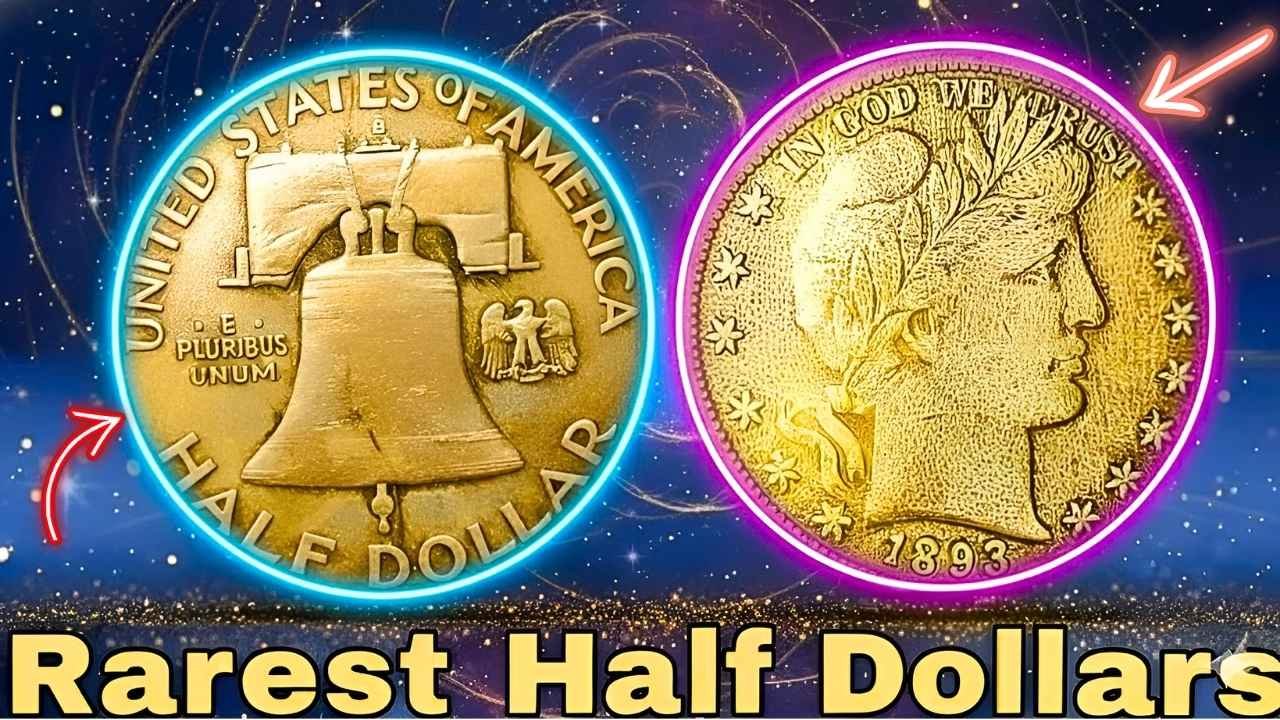
Half dollars have long captured the attention of collectors and investors alike. Among these, Barber and Franklin half dollars stand out for their history, craftsmanship, and rarity. These coins, minted during different eras in American history, are prized not only for their silver content but also for their collectible value. In this article, we explore what makes Barber and Franklin half dollars so valuable and why collectors are willing to pay a premium to own them.
A Brief History of Barber Half Dollars
The Barber half dollar, named after its designer Charles E. Barber, was minted between 1892 and 1915. The coin features Lady Liberty wearing a cap and laurel wreath on the obverse, with an eagle on the reverse. These coins were produced during a time when minting processes were less technologically advanced, which led to variations and minting errors that are highly prized today.
Barber half dollars are often sought after for their historical significance and artistic detail. Certain years and mint marks, such as the 1892-O and 1895-O, are extremely rare due to low mintage numbers, making them especially valuable. Coins in pristine condition or with unique errors can fetch prices in the tens of thousands of dollars at auctions.
What Makes Barber Coins Rare and Valuable
The rarity of Barber half dollars is determined by several factors. First, low mintage numbers for specific years and mints create scarcity. For example, the 1892-O coin had a limited production, making it highly sought after by collectors. Second, surviving coins in excellent condition are rare because circulation over the years often caused wear and tear. Third, certain minting errors, such as double strikes or off-center designs, add an extra layer of value.
Collectors also consider historical significance and demand when assessing value. Barber half dollars are more than currency; they are tangible pieces of American history. Their value has steadily increased over time, particularly for coins graded highly by numismatic authorities.
Introduction to Franklin Half Dollars
The Franklin half dollar was minted between 1948 and 1963 and features Benjamin Franklin on the obverse with the Liberty Bell on the reverse. Unlike Barber coins, Franklin half dollars are more modern and were produced with improved minting technology. However, they still hold significant collectible value due to their silver content, historical relevance, and certain rare variations.
Some Franklin half dollars are especially valuable due to low mintage years, mint errors, or coins in exceptional condition. For instance, the 1955 Proof Franklin half dollar and coins from the San Francisco mint with special finishes can command high prices in the collector market.
Factors That Influence Franklin Coin Value
Several factors contribute to the value of Franklin half dollars. One primary factor is mintage rarity. Coins with lower production numbers, such as certain proof issues, are more likely to appreciate in value over time. Another key factor is the coin’s condition or grade. Uncirculated coins with sharp details are far more valuable than those with wear and tear.
Minting errors, like doubled dies or repunched mint marks, further enhance the collectible appeal. Finally, silver content plays a role, as Franklin half dollars contain 90% silver, making them desirable for both collectors and precious metal investors.
Comparing Barber and Franklin Half Dollars
While both Barber and Franklin half dollars are highly collectible, they appeal to different types of investors and collectors. Barber half dollars are valued more for their age, historical context, and scarcity, whereas Franklin half dollars are prized for their silver content, relative rarity in certain years, and modern collectible appeal.
Both coins offer the potential for long-term appreciation. Barber half dollars often command higher prices due to their historical significance and the scarcity of certain mint years. Franklin half dollars, while generally more accessible, still hold substantial value for collectors who seek specific years, mint marks, or proof coins.
Tips for Collecting Rare Half Dollars
Collecting Barber and Franklin half dollars requires research and attention to detail. It is essential to verify the authenticity of coins through reputable grading services and to check for mint marks and unique features that affect value. Understanding market trends and historical price data can help collectors make informed decisions.
Preservation is equally important. Coins should be stored in a controlled environment to prevent tarnish or damage. Proper handling using gloves and coin holders helps maintain condition, which directly affects market value.
Key Highlights
- Barber half dollars were minted from 1892 to 1915, designed by Charles E. Barber.
- Franklin half dollars were minted from 1948 to 1963, featuring Benjamin Franklin and the Liberty Bell.
- Rarity, condition, and minting errors significantly influence the value of both coin types.
- Certain years and mint marks of Barber coins, like 1892-O and 1895-O, are extremely valuable.
- Franklin coins are prized for low mintage years, proof coins, and their 90% silver content.
- Collectors should focus on authenticity, preservation, and market trends to maximize value.
Final Words
Barber and Franklin half dollars are more than just coins; they are historical artifacts that offer both aesthetic beauty and financial potential. Their rarity, minting details, and condition determine their value in the collector market. Whether you are a seasoned numismatist or a beginner investor, understanding the unique features of these coins can help you make informed choices and build a valuable collection. Investing in these half dollars is a way to preserve history while potentially benefiting from long-term appreciation.
