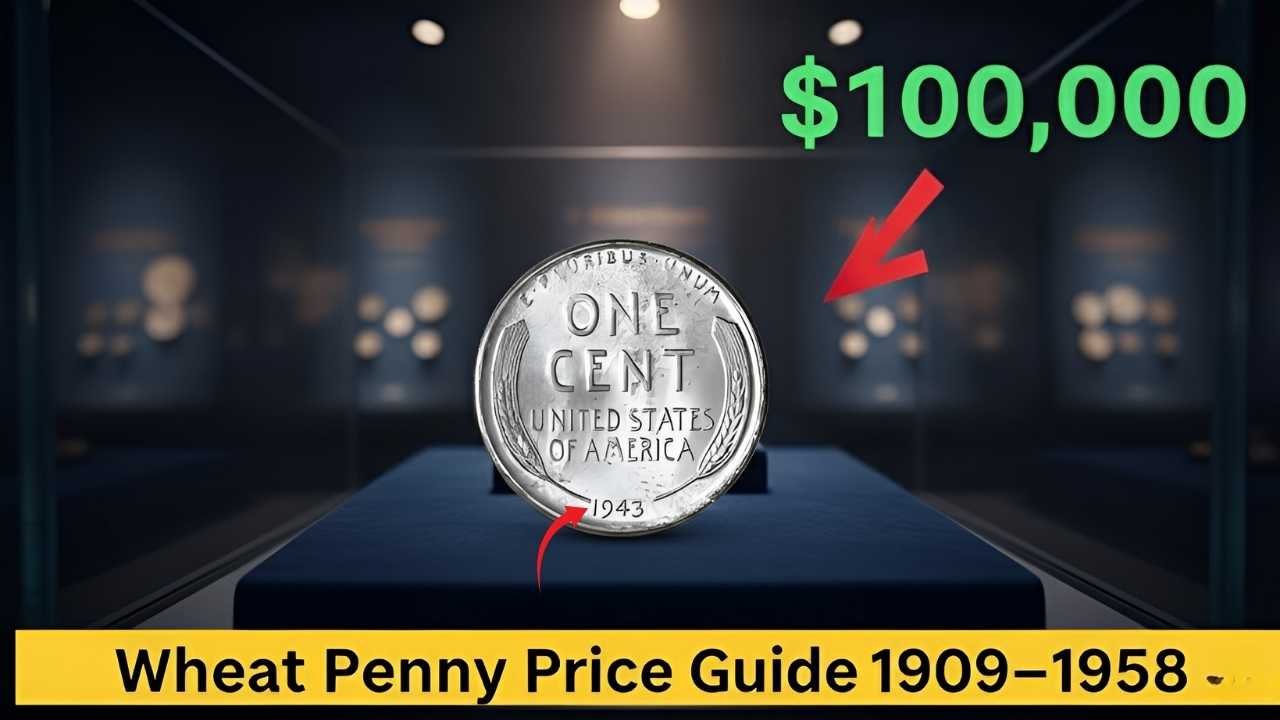
Wheat pennies, also known as Lincoln cents, were first introduced in 1909 to commemorate the 100th birthday of Abraham Lincoln. For nearly fifty years, these coins featured Lincoln on the obverse and two stalks of wheat on the reverse, creating one of the most iconic designs in U.S. coinage history. While millions were minted, some pennies are incredibly rare and highly sought after by collectors today. Understanding their value requires knowledge of mint years, mintmarks, condition, and market trends.
From the first 1909 VDB pennies to the last issues in 1958, wheat pennies have created a dedicated following among collectors. Each year has its unique production numbers and variations, influencing scarcity and value. Over time, these coins have gained more attention not only for their historical significance but also for their potential as an investment.
History and Significance of Wheat Pennies
The Lincoln cent was designed by Victor David Brenner, and its release coincided with the centennial of Lincoln’s birth. The reverse design featuring two wheat stalks symbolized prosperity and growth, making it visually distinct from other coins of the era. While many wheat pennies circulated widely, some were minted in smaller quantities, leading to higher rarity.
Collectors are particularly interested in key dates, low mintage years, and coins with unique variations. For example, the 1909-S VDB penny is one of the most famous and valuable, with only a limited number in circulation. Other factors, such as minting errors and condition, also play a significant role in determining a penny’s value.
Key Dates and Mintmarks
One of the first steps in assessing the value of wheat pennies is identifying the mint year and mintmark. Pennies were produced at the Philadelphia, Denver, and San Francisco mints, each marked with P, D, or S, respectively. The 1909-S VDB is a standout because of its extremely low mintage, making it one of the rarest coins for collectors.
Other notable dates include 1914-D, 1922 Plain, and 1931-S, each offering unique rarity and collector demand. Understanding mintmarks is essential, as they can dramatically affect value. For instance, a 1955 doubled die penny from Philadelphia is highly prized due to a minting error that created a noticeable doubling effect on the obverse.
Condition and Grading
The condition of a wheat penny is a critical factor in determining its value. Coins are graded on a scale from Poor (P-1) to Mint State (MS-70), with higher grades commanding higher prices. Key indicators include the sharpness of Lincoln’s portrait, the clarity of the wheat stalks, and overall wear and tear.
Even common dates can be valuable if preserved in excellent condition. Conversely, rare coins in poor condition may sell for significantly less. Collectors should carefully examine pennies for signs of wear, cleaning, or damage, as improper handling can reduce value.
Market Trends and Investment Potential
Wheat pennies have seen steady interest in the collector market for decades. Prices tend to rise for rare dates and coins in superior condition, and market trends often reflect broader interest in numismatics. Coins like the 1909-S VDB, 1914-D, and 1955 doubled die have consistently attracted attention at auctions and private sales.
Investors should also pay attention to grading trends. Coins professionally graded and encapsulated by recognized organizations often command higher prices than ungraded examples. Additionally, market demand fluctuates based on historical significance, rarity, and collector interest, making wheat pennies not only a hobby but a potential investment.
Common Mistakes to Avoid
Many collectors make the mistake of overlooking mintmarks or variations when purchasing wheat pennies. It is easy to assume all pennies from a certain year are equally valuable, but subtle differences can drastically affect worth. Another common error is improper cleaning, which can reduce a coin’s value by removing natural patina or causing scratches.
Collectors should also be cautious when buying online or from unverified sellers. Authenticity is crucial, and professional grading or certification can provide peace of mind and ensure fair market value.
Key Highlights
• Wheat pennies were minted from 1909 to 1958, featuring Lincoln and wheat stalks.
• Key dates like 1909-S VDB, 1914-D, 1922 Plain, and 1955 doubled die are highly sought after.
• Mintmarks (P, D, S) significantly influence a coin’s rarity and value.
• Condition and professional grading play a crucial role in determining market price.
• Wheat pennies have historical significance and investment potential due to rarity and collector demand.
Final Words
Wheat pennies are more than just small copper coins; they are a window into American history and a potential treasure for collectors. From the early 1909 VDB pennies to the last 1958 issues, these coins offer a range of values based on rarity, mintmarks, and condition. Understanding how to identify key dates, assess coin quality, and follow market trends is essential for anyone interested in wheat penny collecting. Whether you are a beginner or an experienced numismatist, these coins provide an exciting blend of history, artistry, and investment opportunity. Taking the time to carefully examine and preserve wheat pennies can turn a simple hobby into a rewarding pursuit, both financ
