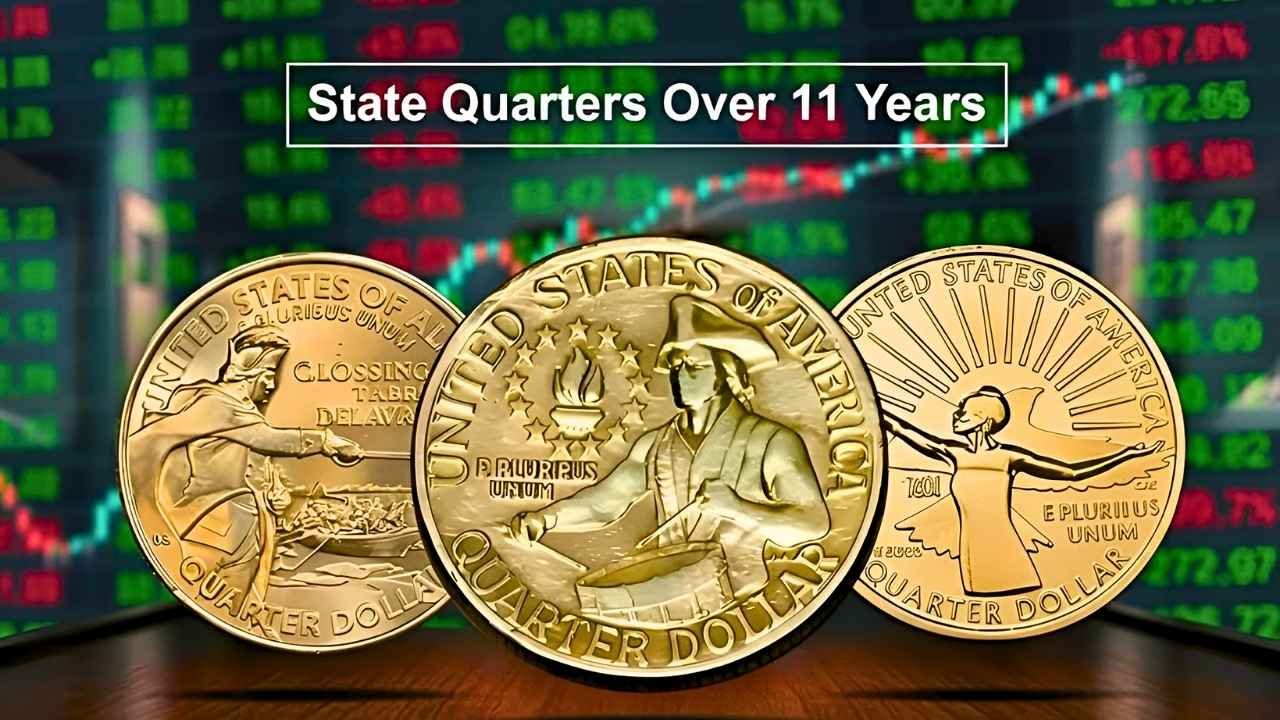
The State Quarters program, launched by the United States Mint in 1999, transformed the way Americans viewed and collected coins. Over the course of 11 years, from 1999 to 2008, the program released a unique quarter for each state, celebrating the cultural and historical significance of each region. This initiative not only captured public interest but also created an entirely new market for collectors, hobbyists, and investors.
The program’s popularity has had lasting effects on the coin-collecting community, influencing trends, pricing, and the perception of modern coinage. Examining the 11-year trajectory of State Quarters reveals insights into how collector value evolves, the factors driving market demand, and the lasting appeal of commemorative coin programs.
The Launch of the State Quarters Program
The State Quarters program was conceived as a way to engage the public in coin collecting while promoting state pride. Each quarter featured a distinctive design highlighting a state’s history, landmarks, or cultural icons. The program was released in the order that states ratified the Constitution, beginning with Delaware and concluding with Hawaii.
The public response was overwhelming. Families, schools, and casual collectors enthusiastically sought out each new release, often trading quarters and completing sets. Coin dealers and hobby shops reported a surge in business, while the secondary market for State Quarters began to grow as collectors sought out mint-condition coins or rare variations.
Market Trends Over 11 Years
Over the 11-year period, the market for State Quarters experienced several notable trends. Initially, demand was fueled by novelty and national pride, with collectors eager to obtain each new design. Limited mintages for certain years or states, combined with unusual errors or variations, quickly created scarcity in some quarters.
Secondary markets such as eBay and specialty coin shops saw increased activity, with collectors paying premiums for coins in pristine condition or those with unique features. Popular states, such as Pennsylvania or California, occasionally commanded higher prices due to their iconic designs or perceived significance.
By the mid-2000s, market trends showed a shift from casual collecting to more investment-oriented behavior. Collectors increasingly sought graded coins certified by professional organizations, and the rise of online auctions facilitated broader access to rare or high-quality quarters.
Factors Influencing Collector Value
Several key factors influenced the value of State Quarters over the 11 years.
- Condition and Grading: Coins in mint or near-mint condition consistently commanded higher prices. Professional grading by organizations like the Professional Coin Grading Service (PCGS) or Numismatic Guaranty Corporation (NGC) added credibility and value.
- Rarity and Errors: Certain quarters with limited mintage, double strikes, or design anomalies became highly sought after. These variations often drove prices significantly higher than face value.
- Popularity of State Designs: Coins featuring well-known landmarks, historical figures, or culturally significant symbols attracted more attention from collectors, influencing demand and pricing.
- Market Accessibility: The growth of online marketplaces and coin forums allowed collectors to connect, trade, and access coins from across the country, which contributed to pricing trends and overall market growth.
The Legacy of the State Quarters Program
The State Quarters program left a lasting impact on the coin-collecting community. It reinvigorated interest in modern coin collecting and demonstrated the potential for commemorative programs to appeal to a broad audience. The program also highlighted how national initiatives could drive both educational and financial engagement, teaching Americans about history while simultaneously creating a collectible market.
Even after the program concluded in 2008, State Quarters remained a significant part of numismatic portfolios. Their cultural and historical relevance continues to sustain demand, while older coins in pristine condition or with rare variations still fetch premiums on the secondary market.
Key Highlights
- The State Quarters program ran from 1999 to 2008, releasing a unique quarter for each state.
- Public enthusiasm fueled a surge in collecting, trading, and secondary market activity.
- Collector value was influenced by condition, rarity, grading, and state design popularity.
- Online marketplaces and professional grading significantly impacted pricing trends.
- The program reinvigorated coin collecting and created a lasting legacy in numismatics.
Final Words
The 11-year journey of the State Quarters program demonstrates how thoughtful coin design and national engagement can transform a simple monetary object into a collectible phenomenon. From its initial launch to the rise of secondary markets and online trading, State Quarters have left a permanent mark on both collectors and investors.
Today, these quarters are more than just currency; they are miniature works of art, historical documents, and investment opportunities. For collectors, understanding the market trends and factors influencing value can help in making informed decisions, while for casual enthusiasts, the program serves as a reminder of the excitement and educational value that coin collecting can offer. The rise of State Quarters is a testament to the enduring appeal of commemorative coins and their ability to capture the imagination of generations.